
The Allure of Risk and Reward
The psychology of casino gaming is deeply intertwined with the thrill of risk and reward. Players are often drawn to the uncertainty that comes with placing bets, as the potential for winning large sums of money creates an exhilarating experience. Engaging with offshore casino sites adds another layer of excitement to the unpredictable nature of gaming, tapping into our natural desires for excitement and exhilaration, driving players to take chances despite the odds being stacked against them.
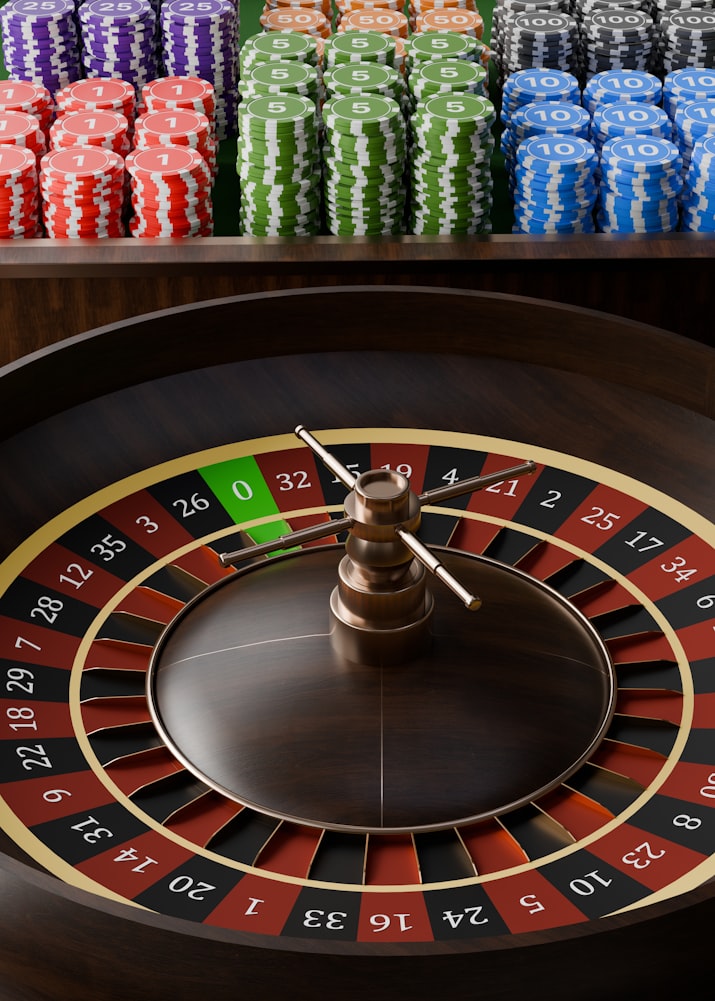
Moreover, the excitement of the gamble can lead to a rush of adrenaline, which many players find addictive. This rush is not merely about the chance of monetary gain; it’s about the emotional high that accompanies gambling. The brain releases dopamine, a neurotransmitter associated with pleasure, which reinforces the behavior. Each win, no matter how small, triggers this response, encouraging players to keep spinning the reels or pulling the lever.
The Role of Environment and Design
Casinos are meticulously designed to enhance the gaming experience, with colors, sounds, and layouts that draw players in. Bright lights, engaging sounds, and visually stimulating displays create an atmosphere that feels welcoming and electric. This sensory overload keeps players engaged and often leads them to lose track of time, making them more likely to continue playing.
Additionally, the layout of casino floors is strategically planned to encourage players to wander through various gaming options. By making it easy for players to switch from one game to another, casinos maximize the time spent within their walls. This design not only captivates players but also influences their decision-making, leading them to make impulsive choices that can result in extended playtime.
Social Interaction and Community Aspect
Gambling is often a solitary activity, but many players enjoy the social interactions that can occur within a casino. Engaging with other players, discussing strategies, and sharing experiences fosters a sense of community that enhances the overall enjoyment of the game. This social aspect can make the experience feel less about individual risk and more about shared excitement, which can be especially appealing to many.
Furthermore, casinos frequently host events and tournaments that promote camaraderie among players. This sense of belonging can play a crucial role in why individuals return to gaming establishments, as the combination of gaming and social interaction creates a uniquely enjoyable environment that encourages repeat visits.
The Psychology of Loss and Chasing Losses
One of the most intriguing aspects of gambling psychology is the tendency for players to chase their losses. When players experience a significant loss, the emotional response can create a compelling urge to continue playing in hopes of recovering lost funds. This behavior is driven by cognitive biases, such as the “gambler’s fallacy,” where individuals believe that future outcomes can be influenced by past events.
This chasing behavior is often irrational and can lead to a cycle of losses. Players might convince themselves that a win is just around the corner, reinforcing their commitment to keep playing. This psychological trap can lead to significant financial consequences, as individuals may ignore warning signs and rationalize their choices, pushing them deeper into the gambling experience.

Conclusion: Creating a Safe Gaming Environment
Ultimately, understanding the psychology behind casino gaming is essential for creating a safe and responsible gaming environment. While the allure of risk and reward, the engaging design of casinos, and the social interactions enhance the gaming experience, it is crucial for players to remain aware of their motivations and limits. Responsible gambling practices can help mitigate the potential negative impacts of gaming while allowing individuals to enjoy the thrill of casino gaming.
As players navigate this complex landscape of psychology and gaming, it is important to seek resources and support when needed. Understanding the dynamics of gambling can contribute to a more balanced approach to gaming, emphasizing enjoyment without compromising personal well-being.